


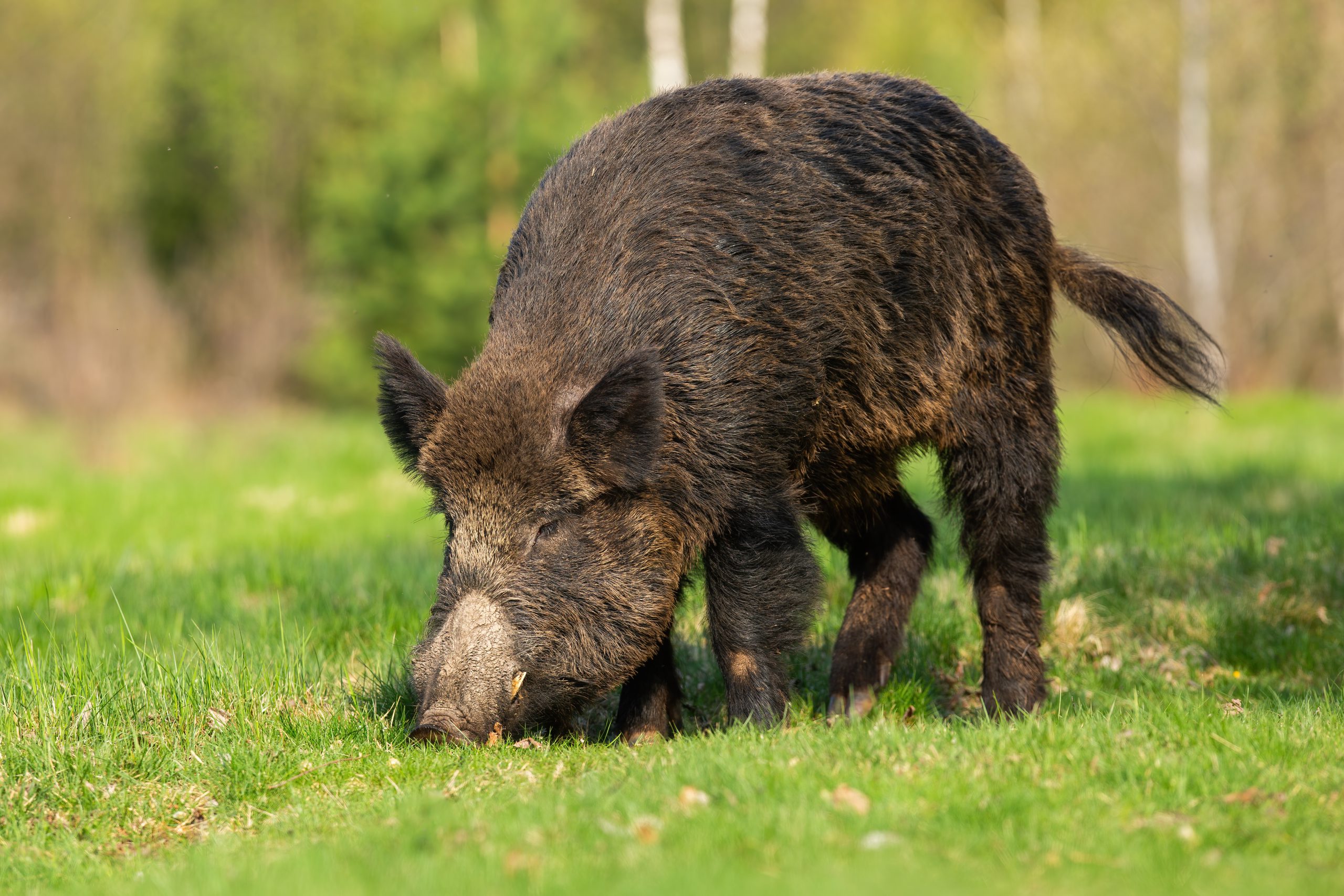
Too many geese, too many foxes, too many wild boars: Dutch nature is not in balance. Hunters can restore that balance, says biologist Koen Jansen.
The cause is the lack of ‘top predators’ such as wolves, bears, cougars, lynx. Partly because of this, wild boars are advancing in the south and east. Wolves could play a role here, but for the time being they are more likely to eat prey first. In addition, there are too many geese, which cause crop damage and endanger flight safety. Furthermore, exotic species such as raccoons are already causing damage to natural flora and fauna.
Nature and animal protection organizations often point to the top predator fox, which could limit the overwhelming goose population. But just like wolves, foxes eat few geese, but prefer easier prey such as meadow birds. Foxes are so numerous and difficult to control (or prohibit from fighting) that they seriously threaten vulnerable, ground-nesting birds.
Hunters are blamed
Hunters who are very involved in protecting non-huntable meadow birds are blamed when certain huntable species decline, and when it comes to species that are never hunted, agriculture is blamed. The cause is rarely sought in an imbalance of species in cultivated areas. Agriculture has a lot of catching up to do in terms of biodiversity, but so do governments that deal with groundwater levels and land consolidation.
Hunters can offer a solution by restoring the balance, but they don’t get the chance now. Hunting rights and exemptions are further restricted every year. Opponents promote emotions into an argument and that is never wise, especially with such a sensitive subject. If hunters are given more space, many people think it is sad for animals. It is a difference in view between the countryside and the city. And ultimately also a difference in choices. The Netherlands therefore needs more hunting, it is better for biodiversity and ultimately for the landscape.
Also read:
Wildlife in the Veluwe is worse off than in the Oostvaardersplassen
In the Veluwe, the culling policy gives more reason for anger than in the Oostvaardersplassen, says Jozef Keulartz. He is an environmental philosopher and chairman of the Natural Processes Foundation.


