Hunting Habitat – Philosophy

Our philosophical reflections on hunting.

Philosophy

Eco hunter

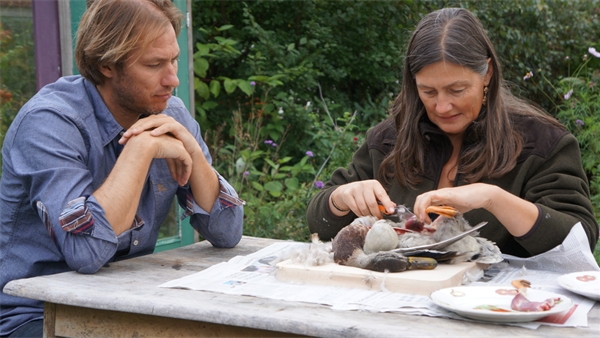
A slightly longer report by a Dutch woman, Ellen Mookhoek, ecologist, but also Jager.
The full report via this link.

Ellen gave up her job and started living closer to nature. For example, she looks for her food in the plants in the park and by collecting eggs, for example. With the seasons. She is now a ‘wild picking specialist’ and earns money to teach others.

You can see the hunting event at the beginning and also around minute 9:45 with duck hunting. Then while taking care of the shot game meat a very informative conversation about the philosophy of hunting.

Website

A contemporary view of Hunting and Philosophy – Jachtargumenten.nl.

This website offers a counterweight to misinformation spread by action groups and to the often negative climate towards hunting in society and politics.
Realism and logic must return to the debate.

The texts are written in a personal capacity by Paul Bouwmeester, who is not a hunter himself, but a fisherman, nature and game lover.

A more than interesting insight into hunting and the argumentation regarding:

  • Hunt
  • Animal suffering
  • Spaciousness
  • False solutions from politics
  • The most interesting statement is the following, actually a paradox

Almost everyone agrees that organically bred animals have had a better life than animals from factory farming and that organic meat is therefore preferable. Examples of this are the free-range chickens, hopping organic rabbits, …
But as soon as this line is extended to wild animals (it couldn’t be more organic), there is suddenly resistance to “harvesting” and eating these animals.

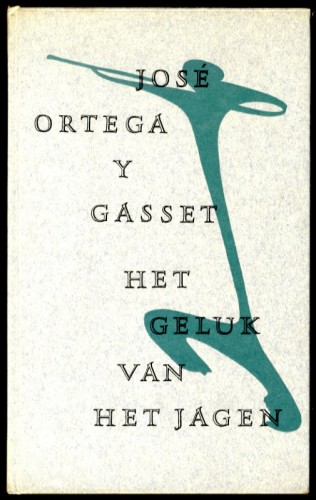
The Happiness of Hunting – José Ortega Y Gasset

From an attentive reader, driven Jager and also a friend of Hunting, we received the following addition.

José Ortegay Gasset, the Spanish philosopher, also wrote a theme about hunting in 1942. A book called “The Happiness of Hunting” contains about 120 pages, as usual with philosophers, profound and can therefore be reread a few times to fully experience it.

This work is published by H.P.Leopolds Uitgeversmij N.V Den Haag it has been translated into Dutch by Mr G J Geers, This essay is included in the collection “Zelfinkeer en verbijstering” 1949.

I don’t know if it’s still available, but indeed a profound, beautiful whole, why we live and… hunt.

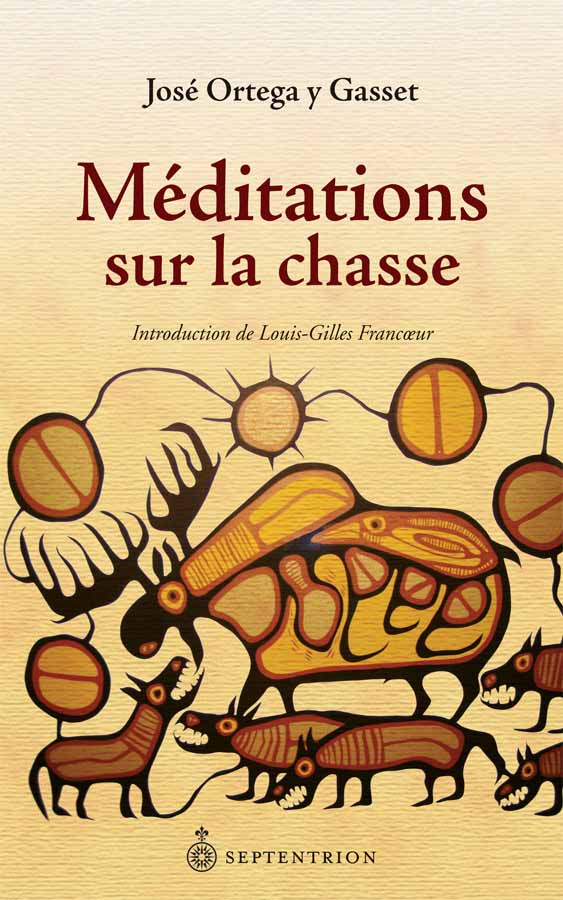
Meditations sur la Chasse – José Ortega Y Gasset

From an attentive Jager with time left for books and philosophy we received the following suggestion: “Meditations sur la Chasse” by José Ortega Y Gasset

“At the beginning of the XXIst century, hunting is not in a good light. But why does man engage in this age-old activity, which is considered an anachronism by many? The Spanish philosopher Ortega Y Gasset answers this question by understanding the human soul and finding out which impulses and passions animate the hunter.

Just like the wild, once in nature, man becomes a predator again who is alert among the other (predatory) animals. To get there, a great deal of empathy is needed.

To become a full-fledged robber / hunter again, an empathy, a certain sobriety is needed to have the connection with nature again. For the predators, hunting provides food, for humans the hunt offers a real inner experience.

Sustainable Living – Hunting

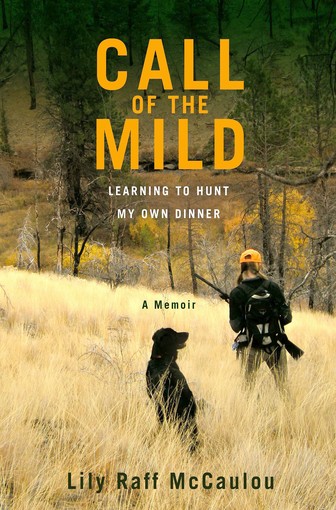
No one had seen it coming that Lily Raff McCaulou would one day walk through the woods with a gun to shoot and skin rabbits, pheasants and moose. She grew up in a left-wing nest, went to work in the heart of New York and didn’t know a single hunter – apart from a film where a poacher shot Bambi’s mother. But at the age of 24, she moved to Bend, on the rugged American west coast. There she came into contact with fanatical lovers of the outdoors: fishermen, skiers, hunters. She discovered her urge for more connection with nature, the animals around her and her food. ‘I’ve eaten meat all my life,’ she says. ‘I wanted to know if I could bring myself to look an animal in the eye and kill it.’ She went hunting.

Nowadays, McCaulou would rather eat her own shot goose than a chicken leg from the supermarket. Why? Because she knows that the game she shoots has had a good life. Hunting has made McCaulou live and eat more consciously. ‘I eat less meat than I used to,’ she says. ‘If I shoot an animal, I always eat it. And I have gained a more realistic picture of the food chain.’

Last year a number of books were published about this: Call of the mild: Learning to hunt my own dinner by McCaulou, but also The mindful carnivore: A vegetarian’s hunt for sustenance by vegan Tovar Cerulli, who realized that it’s not about what you eat, but how it ends up on your plate. Blogs pop up on the internet with names such as The Modern Hunter-Gatherer. Young hunters like Jackson Landers organize courses with titles such as Deer Hunting for beginners.

McCaulou agrees that hunting fits in with a sustainability trend. ‘More and more people are working on sustainable living,’ she says. ‘They want to know where their food comes from. Do-it-yourself is in, more and more people have chickens, or a vegetable garden, they pick mushrooms or they keep bees. Hunting is also part of that.’

There are many misunderstandings about hunting, she believes. She herself used to fear that killing an animal would be peanuts for hunters, but she learned that hunters take this aspect very seriously. She also does not see hunting as a disturbance of nature, but rather as an important strategy for nature management. There are a lot of rules for hunters, both in America and in the Netherlands. “Hunters love animals,” McCaulou believes. ‘They only shoot populations that are healthy and large enough. If a game population grows too fast and disturbs the balance in nature, hunters can do something about it.’ McCaulou also often hears the question why she kills animals, when nowadays we no longer need to eat meat to survive. ‘Those questioners are right’, she acknowledges. ‘But for me, hunting is the pinnacle of being part of nature.’

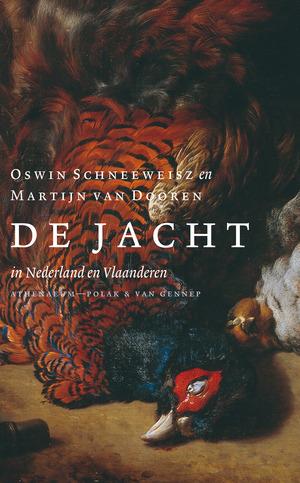
Balcony scene – Oswin Schneeweisz

Normally I don’t do animal day. I think it’s a silly invention of an animal-unfriendly and commercialized society to the bone. Every year on October 4, you realize how serious the relationship between humans and animals is in our country. This year it was hit again. The Dutch Society for the Protection of Animals launched a new campaign around 4 October in which the boundaries of decency were once again stretched. Almost every evening the commercial was broadcast on television and radio. We see a child abandoned on a balcony of a miserable flat. She mumbles something to herself and says: ‘How do you think I feel if you lock me up here’.

Then the child stands up. An adult hand comes into view and turns a key in the lock on the inside of the door. When the balcony door opens, the pathetic human girl suddenly changes into a dog and a voice speaks to us: ‘If this happens to a child, we don’t think it’s normal. Unfortunately, this is a daily reality for many animals.’ Every time the commercial passes by, I tend to throw the diorama out the window, because it can’t get much more infantile than that. What will be the next video? Left a demented grandfather on a tree? An emaciated baby riveted to the edges of the crib?

The reality of an animal is not interchangeable for that of humans. Those who do, as in the commercial of the Dutch Society for the Protection of Animals, are quickly guilty of populism and demagoguery. However, the guild of animal protectors needs new backers. That is why they play firmly ‘on the emotion’. And that actually makes it worse. It fits into a tradition. In 2009, the same club made a video in which a syringe was inserted into a (fake) eye of a guinea pig. That commercial was banned by the Advertising Code Committee for broadcasts in the early evening because of real children’s eyes. As far as I am concerned, the same committee can also ban the new balcony scene at any time of the day: after all, deception is one of the criteria on which advertising can be banned.

Admittedly, this is not deception in the category ‘there is nothing in it what is on the suit’. It is much worse: it is emotional deception, in which a serious matter such as child abuse is used in an unethical way, with the aim of taking money out of people’s pockets and influencing public opinion. Just the suggestion that people who park their dog on the balcony – my dog is regularly outside on a leash or alone in the house for a day – could be compared to people who abuse their child is too ridiculous for words. That message is so unsubtle and stupid that it does not belong on public broadcasting. As far as I’m concerned, the dog girl is a new low point in the ‘humanization’ of the animal. Symbol of a cult of pity that seems to have no end.

– Publishing rights, Oswin Schneeweisz, author of the Book Hunt

Disneyfication – Jim Barrington

Jim Barrington’s philosophy, the Disneyfication of Nature and the Wild.

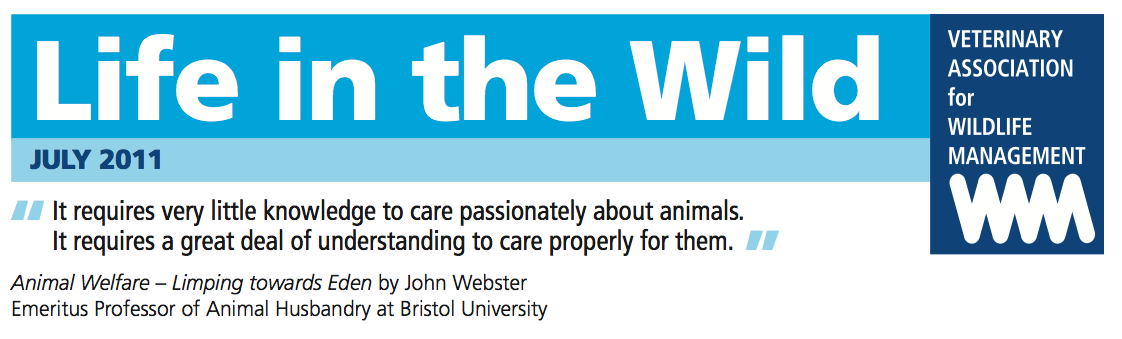
It is an interesting argument about Hunting Game from the Veterinary Association for Wildlife Management. More than 570 veterinarians and therefore clearly specialists, with a clear vision.

The basis according to the speaker, Jim Barrington, is the difference between Wild Animals and Pets. And especially the misunderstandings that exist here with quite a few people.

The following elements clarify his position that Game can certainly be hunted without suffering. He even calls the opposite the Disneyfication of Nature and Wild in particular.

  • “They don’t have the brains” – wildly lacking the complex brain structure and mental capabilities to experience fear and death like we humans do;
  • Game is just to hunt and be hunted;
  • Wild has a shorter foresight, cannot predict future situations long in advance and therefore certainly cannot foresee death;
  • Fear is very natural and even useful. An Antelope that is driven by Fear yet escapes from a predator, learns from this, and uses the Fear positively, not as suffering – Prof. John Webster;
  • Animals have the habit of predation and therefore being hunted;
  • Game is Res Nullius and so, also according to the legislator, it should not be taken care of like for Pets. The speaker even has big questions about Rescue Centers for Game: here wild animals are brought into a very unnatural environment which can be experienced as very stressful;
  • There is a need for Wild Management to manage overpopulations, diseases and protect crops;
  • Specifically for the UK, his argument on fox hunting – Hunting, Wildlife Management and the Moral Issue;
  • Finally, an appeal to the Legislator not to be guided by public opinion, but first to have a good understanding of the difference between Game and other (domestic) animals;

An extract of the seminar in this video.

The more than interesting brochure about Wild in the Life.

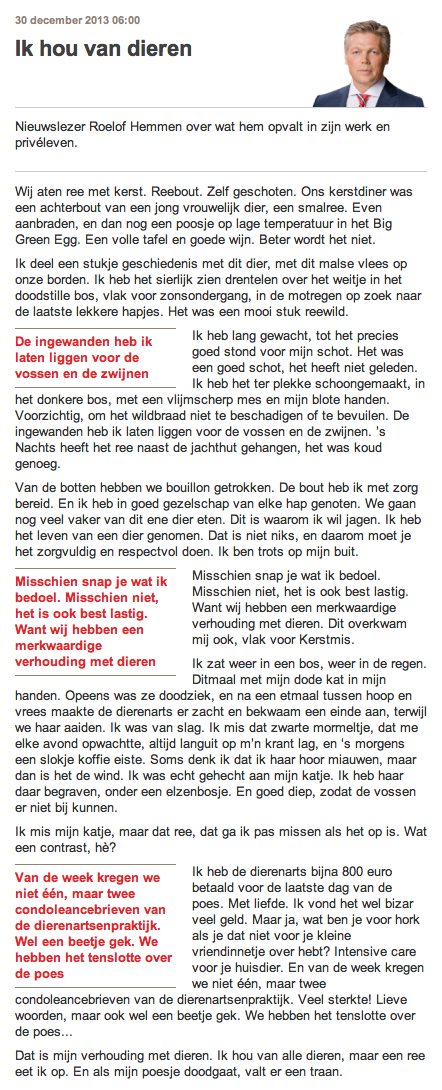
I love animals – Roelof Hemmen

A short but pleasant piece about the philosophy of Hunting.

With the contrast of shooting a Roe Deer and the emotion of a pet dying.

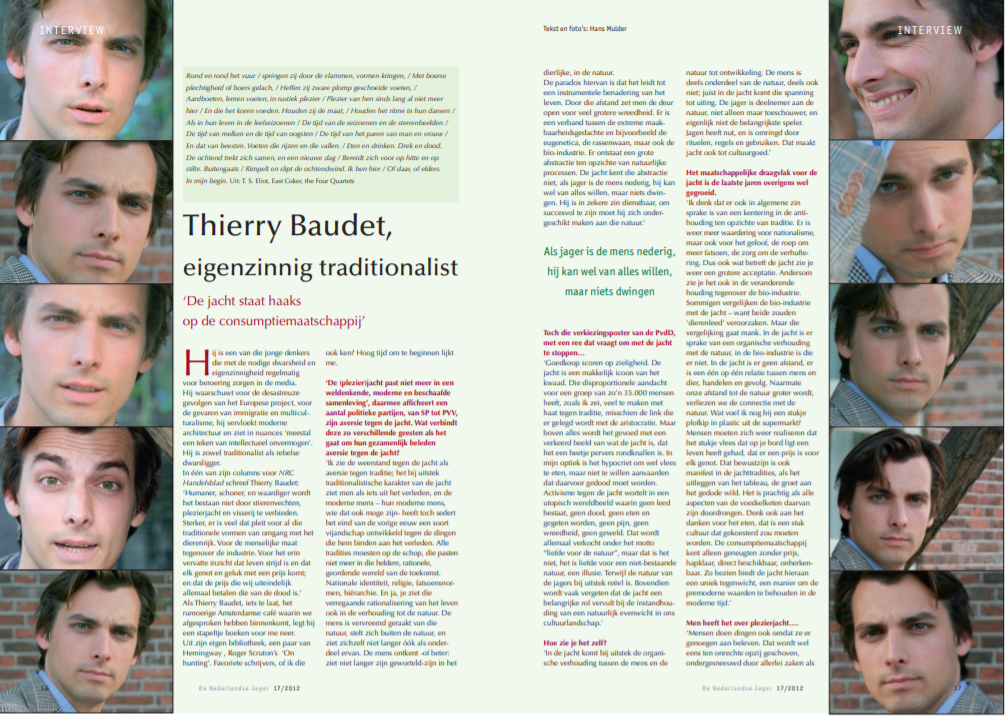
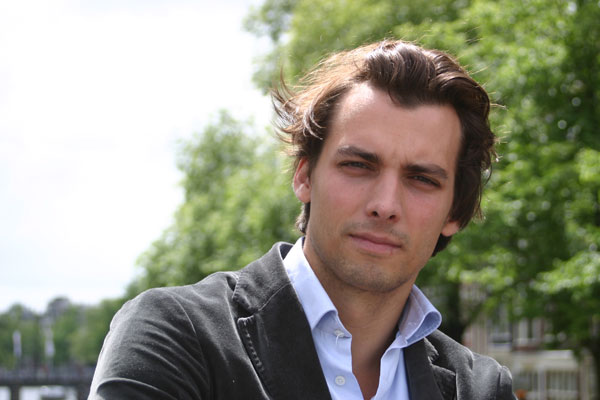
The Hunt – Thierry Baudet

Hunting is at odds with the consumer society

Contemporary is the following very interesting approach of a young thinker.
Thierry Baudet is a doctor of law and columnist for the prestigious NRC Handelsblad.

He bases his pro-hunting argument on the following principles:

  • Hunting is one of the traditional forms of dealing with the animal kingdom;
  • Resistance to the Hunt is an aversion to tradition. All traditions must disappear, such as national identity, religion, hierarchy. Man is alienated from nature, no longer sees himself as part of it;
  • Anti-hunting activism is rooted in a utopian worldview in which there is no suffering, no death, no eating and being eaten, no pain, no cruelty, no violence.
  • All of this is sold under the motto “love of nature”, but it is not, it is love of non-existent nature, an illusion. While the nature of the hunters is pre-eminently real.
  • Hunting has its uses, and is surrounded by rituals, rules and customs. ‘That also makes hunting a cultural asset.’
  • The philosophy of animal rights is problematic, because animal rights do not apply to other animals, but only to humans. After all, animals cannot abide by laws.
  • You can’t live without killing plants, without killing animals, and they kill each other, it’s such a pointless crusade. Suffering is part of life, but without suffering there is no happiness either. Hunting still bears witness to that reality.
  • We should see hunting as the best, the most natural form of how we should treat nature.

Christmas column – Thierry Baudet

Every year at Christmas, my father used to prepare hare: marinated legs from the poulterer. The preparation easily took half a day – a period of time in which the whole house began to smell of earth and wine, of pencil shavings and cinnamon, of pepper and saffron – and when the time finally came to serve the legs, my father warned in an exaggerated serious tone: ‘Be careful, there may be bullets in them!’

You ate extra carefully, extra attentively – not only because of those bullets, but also because it had been standing for so long and because you knew: this is a wild animal that really lived, that ran and shot through the forest. The meal was a sacrifice, the daily things disappeared into the background: we shared together in something higher.

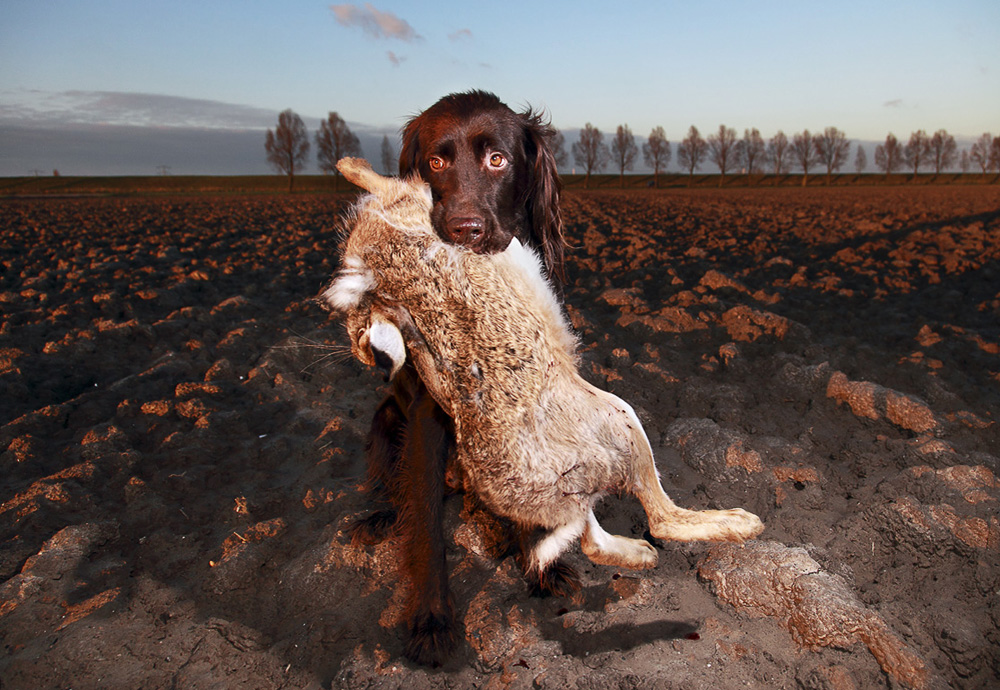
That feeling is also strong among hunters in the field. I was able to experience it last time when I walked along with a hare hunt in North Groningen. We first drank coffee and ate gingerbread that the wife of the oldest hunter, Eelke de Jong, had baked the night before. Then the ten of us set off. We split up into floats and shooters, waded through ditches, hid behind bushes, let the dogs retrieve the shot game. At noon we went back to De Jong’s barn for a plate of pea soup.

All day long I felt part of nature – the environment had become a ‘lived space’, not a mere stage, and certainly not completely subject to our power – on the contrary, the hunter cannot force anything but must operate in conjunction with the elements. In addition, the thought occurred to me that this group of hunters was pre-eminently a little platoon – a community that, according to Edmund Burke, forms the basis of a free society (because civil society stems from it). People do not come together just to get together, and when they come together purely to satisfy a certain need (for example, hunger), it is not a social interweaving that arises, but a business transaction (with all the distrust and competition that entails). It is precisely because of this complex confluence of utility and pleasure, of power and impotence, of pride and humility that hunting leads to the formation of traditions and deep connections – and I realized that this used to happen in our home when the hare was served and that typical devotion descended upon us.

Every year at Christmas, my father used to prepare hare: marinated legs from the poulterer. The preparation easily took half a day – a period of time in which the whole house began to smell of earth and wine, of pencil shavings and cinnamon, of pepper and saffron – and when the time finally came to serve the legs, my father warned in an exaggerated serious tone: ‘Be careful, there may be bullets in them!’

You ate extra carefully, extra attentively – not only because of those bullets, but also because it had been standing for so long and because you knew: this is a wild animal that really lived, that ran and shot through the forest. The meal was a sacrifice, the daily things disappeared into the background: we shared together in something higher.

That feeling is also strong among hunters in the field. I was able to experience it last time when I walked along with a hare hunt in North Groningen. We first drank coffee and ate gingerbread that the wife of the oldest hunter, Eelke de Jong, had baked the night before. Then the ten of us set off. We split up into floats and shooters, waded through ditches, hid behind bushes, let the dogs retrieve the shot game. At noon we went back to De Jong’s barn for a plate of pea soup.

All day long I felt part of nature – the environment had become a ‘lived space’, not a mere stage, and certainly not completely subject to our power – on the contrary, the hunter cannot force anything but must operate in conjunction with the elements. In addition, the thought occurred to me that this group of hunters was pre-eminently a little platoon – a community that, according to Edmund Burke, forms the basis of a free society (because civil society stems from it). People do not come together just to get together, and when they come together purely to satisfy a certain need (for example, hunger), it is not a social interweaving that arises, but a business transaction (with all the distrust and competition that entails). It is precisely because of this complex confluence of utility and pleasure, of power and impotence, of pride and humility that hunting leads to the formation of traditions and deep connections – and I realized that this used to happen in our home when the hare was served and that typical devotion descended upon us.

Publication rights – Thierry Baudet

Thierry Baudet is a doctor of law and columnist for the prestigious NRC Handelsblad.

No permit yet?

Jachtexamen.be is the online learning environment for hunting, providing optimal exam preparation.