
Other Game – Fox

All about the fox.

Fox

Class: mammals
Order: carnivora
Family: canidae
Species: vulpes vulpes

External Characteristics

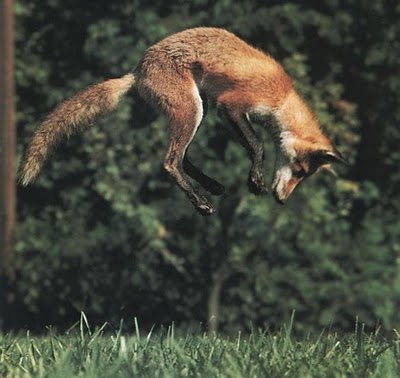
The head and back length is 60 to 90 centimeters. The total length is about 130 centimeters. The shoulder height is 35 to 40 centimeters. The weight of a fox is between 5 and the 12 kg, average is 7.
The head is broad, the forehead flat, the muzzle is long and thin.
The legs are very thin and because the fox is low-legged, it makes a particularly long impression. Usually his track is easily distinguishable from that of a dog. The nails of both lateral toes reach the sole balls of the middle toe at the rear. In rapid flight, the hind legs cover the prints of the front legs, track looks dam like that of a hare.
The ears are broad at the base and pointed at the tip. They are erect and on the outside they are black. They are enormously mobile.
The eyes are more or less slanted, the pupil is vertical and elliptical.
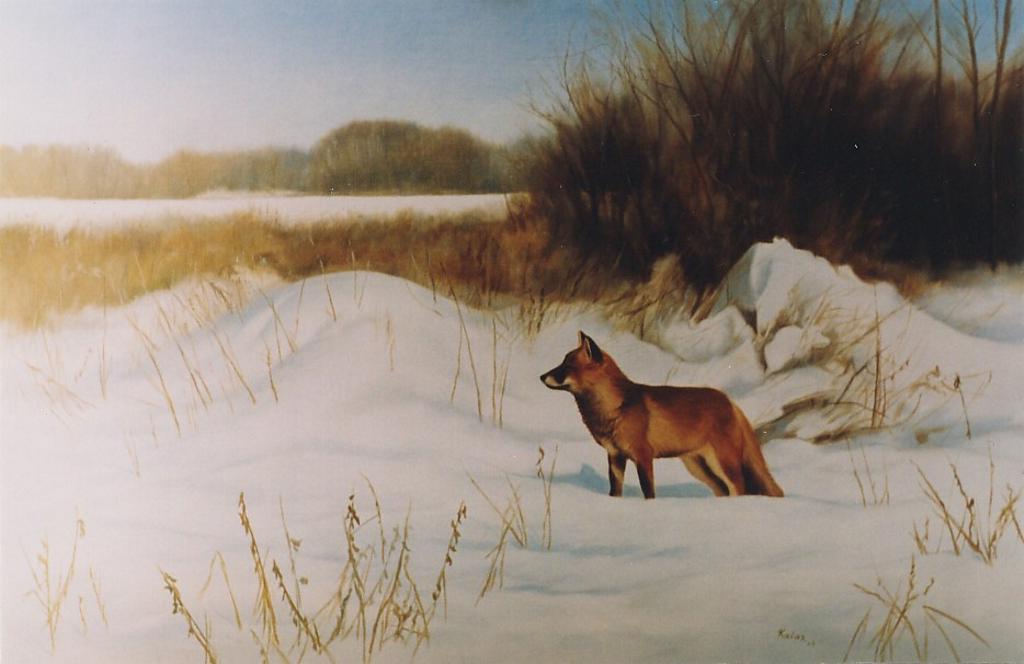
The particularly long tail is reddish with black, yellow or gray shades. The tip (wick) is usually white.
The lips are whitish gray hairy. This off-putting light color runs all over the neck and chest and changes to a murky to dark gray on the belly.
The toes are black so that it gives the impression of wearing black booties. The body appears thick but is in fact very slender and powerful. The familiar fox red is purest at the top of the head to about mid-back. From that place, white hair tips occur.
Nutrition

The fox is an “omnivore.” It eats anything that provides a small game reproduction, both hair and feathered game. The ground-breeders suffer especially badly. Sick and weak game is usually cleared first. Still, the fox devours a huge number of mice. It also eats earthworms, snails, beetles, grasshoppers, grubs,eggs,fruit, garbage and plants. Sometimes he also hits a fawn.
This enumeration is somewhat different in a rich small game preserve! In a hunting ground with many rabbits, the distribution is as follows : 90% rabbits, 4% birds and 6% mice, eggs and insects.

Propagation

Between Christmas and mid-February one can find fox nuts in heat. During this period, one can clearly observe over field and forest the threefold chirping of the mating rackets. Almost no social activity is observed during the winter months, but in early spring individuals begin to seek out a mate. Since monogamy prevails, the older foxes re-establish contact with each other while the young form new pairs. During the two weeks preceding the nut fox’s heat, there is a tremendous upsurge in behavior. This allows the foxes to determine each other’s place. Non – bound young moths place strong smelling urine signs throughout their habitat and stake out a territory, while the recesses are looking for a moth. The nut fox especially uses a special cry, a kind of barking, to make sure she has a steady mate before she goes into heat. Approaching heat can be seen by obvious physical changes in the nut : especially the swelling of the vulva region and the regular raising of the tail as an invitation to mate.For three weeks, the recruit keeps himself around the future mother. Like a real man, he watches to make sure that no other stretchers come near his female.
Once the nut fox is pregnant, she begins preparing the den for the upcoming litter. The fur on the belly at the nut falls out and the nipples become exposed. The nut wears between 53 and 58 days. Most young foxes are born in mid-March. Such a litter usually consists of 4 to 6 young. Newborn foxes are no larger than a mole. They are then gray-brown in color.To farrow, the nut usually uses a small inconspicuous pitching hole. Later the young are moved to a larger burrow in the maw.As the time of whelping approaches, the lees fox becomes less active. Some recruits can be seen applying food. Usually this is not necessary because the nut fox stores a large supply of food.
After 12 days, the cubs’ eyes open. In the third to fourth week, the young foxes stagger up to the entrance of the den for the first time. Until then, they have lived purely on mother’s milk. Foxes are very fertile. The population can double in one year!

No permit yet?

Jachtexamen.be is the online learning environment for hunting, providing optimal exam preparation.