


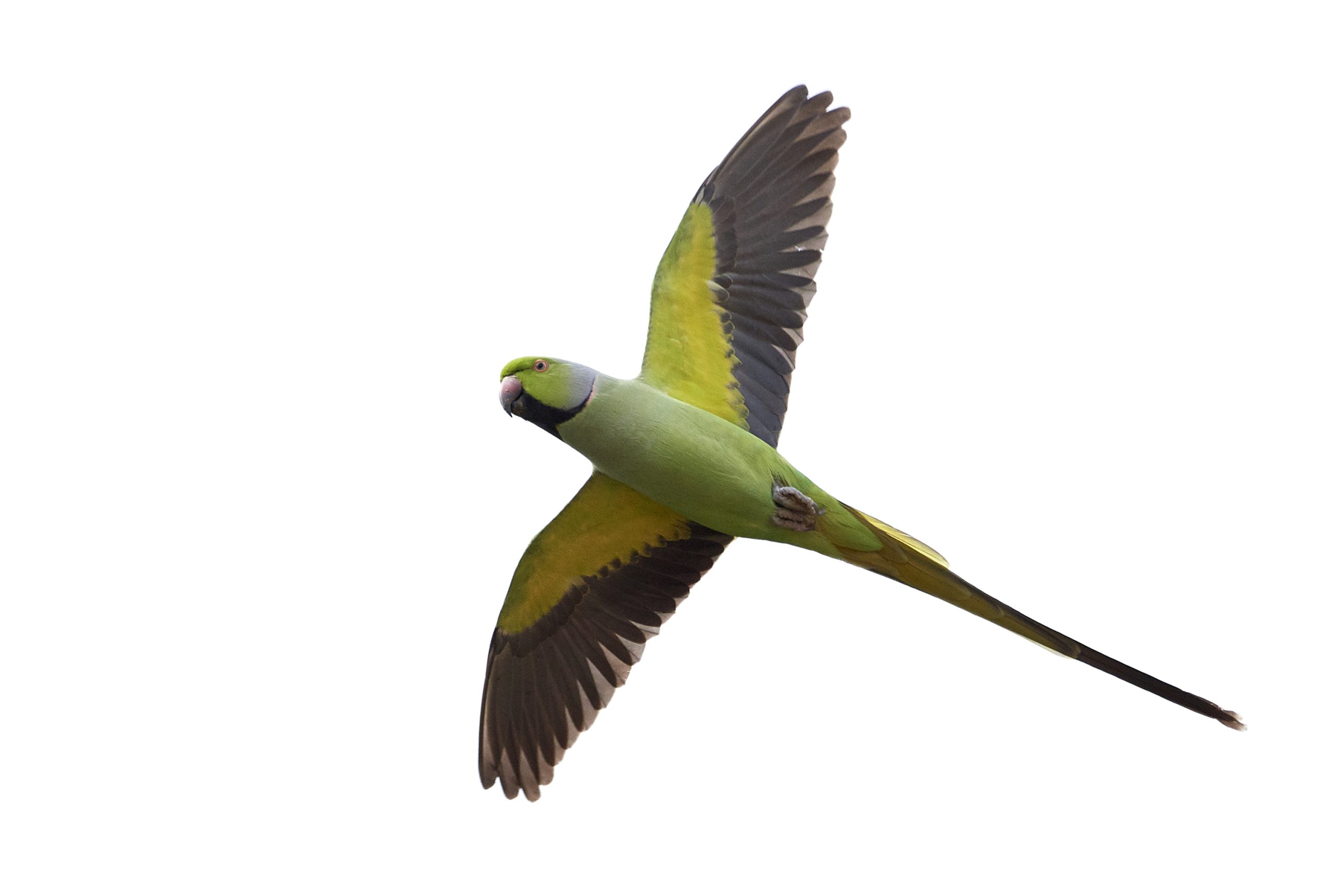
Parakeet infestation in Madrid parks: masked hunters are ordered to shoot birds from trees
In the Spanish capital Madrid, a company has been commissioned to shoot or catch exotic birds from the trees. City parks have been plagued for years by parakeets that spread diseases and chase away native birds. Animal rights organizations are not happy with the new approach and call on the authorities to stop the “slaughter”.
In the eighties and nineties, importing birds as pets was very fashionable in Spain. These included the monk parakeet from South America and the ring-necked parakeet from Africa and South Asia. But it didn’t really help the Spaniards: once they arrived in Europe, the parakeets quickly learned how to open the door of their cage and escaped in large numbers.
Since the birds live for about 20 years and mate quickly and in many ways (6 to 8 eggs per year, ed.), the wild population grew at a rapid pace. The parakeets nested en masse in parks all over the country, but the capital in particular became a popular breeding and living environment and still is today. And that is not without consequences: the parakeets chase away native species and spread diseases. In addition, their nests can weigh up to 200 pounds, making them a danger to passersby.
Ethical solution turns out not to be so ethical
Reasons enough to intervene, the Madrid authorities thought. In 2013, the keeping and trading of parakeet species was banned, but that did little to change the plague. Two years ago, the city council announced that it was working on an ethical solution to reduce the number of wild exotic birds.
But whether that plan is really that ethical remains to be seen. Last week, neighbors of the Fuente del Berro park discovered two masked hunters who shot parakeets from the trees and picked them up shortly afterwards so that they would stay out of sight of visitors. A woman couldn’t believe her eyes and shared a video on Twitter with a dead bird in her hand. The Spanish animal party PACMA shared the video and speaks of a disgrace. “We will not stop until this slaughter stops,” it sounds.


