

From the beginning of October, we cross the Belgian language border in large numbers as hunters. The moment that many big game hunters have been waiting for is just around the corner, the drive hunting season. We all know the feeling of getting up early in the morning, greeting fellow hunters on the E411 and arriving at the hunting lodge where drivers and fellow hunters are already telling all kinds of stories around the fire. Such days are what the hunting season is all about for us battue hunters, but these days are not possible without good organization and safety. Not everyone is equally experienced in driven hunting, especially young hunters who have not yet been allowed to apply many vignettes to their Walloon hunting permit. For the less experienced battue hunter and for those who like to freshen everything up, we have made a complete manual on how a day of battue hunting goes and what should definitely be paid attention to so that your hunting day can run smoothly.
– You sign up and pay for the hat or chapeau (+- €50), this money is usually used to pay for the catering/trackers. Most hunting groups give the hunters a booklet with a map of the area and the regulations when paying the chapeau, always read this thoroughly. It is customary that a fee or shooting premium is asked for a shot piece of game (usually for male ‘trophy’ specimens), this money goes to the gamekeeper for his work that he has done in the hunting field during the year.
– Gathering in the Ronde, here is all information given about the hunting day, who has which posts, how to ride best and which game can be stretched that day.
– Usually 3 to 4 traks or drifts are provided per day with a lunch after the first 2 traks. If the first drift is fertile and a lot of game has to be charged, labeled and possibly searched, it may be that lunch is served immediately. In the East Cantons the technique of drücken is used more, usually 2 large drifts (depending on the size of the hunting ground, it is 100ha – 300ha or more).
– You divide yourself over the different cars and you leave towards the first trak or drift. Please take into account the Corona regulations applicable at that time. Placing all hunters in the right place is done by a few so-called ‘posteurs’, usually people from the organization who know the area very well.
– Posting: Always in silence, game is very fast on the run, especially cervids. Close doors GENTLY! Don’t talk out loud on the road.
– Show your neighbors clearly where you stand by waving and getting a wave back, this way you know for sure that people have seen you and you know where the rest is.
– Wearing fluorescent is not mandatory by law, but is normally imposed by every hunting group, including for the drivers and their dogs. With our southern neighbors in France it is mandatory to wear fluorescent, ONF (Office National des Forêts) writes fines for this if you do not wear it.
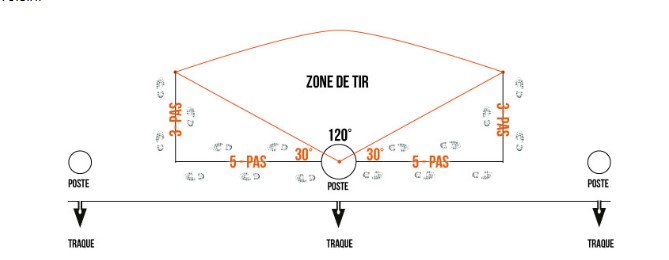
– A safety angle of 30 degrees, or more, must always be observed. You can easily make this yourself by walking 5 steps to your neighbor and 3 perpendicular to that line. You do this before the battue has started when postering. This is the corner where you wait for the animal to pass it before you start aiming and shooting.
– Usually 1 long horn signal is used to announce the start of the battue. Usually the weapon may be loaded on post from the two neighbors are posted, they have made themselves visible to each other and that everything else is safe. Listen carefully in the round to see what rules apply that day.
– Safety above all, never shoot when in doubt, nothing is worth an accident! Not shooting is also an act of hunting.
– Never leave your post during the battue, even for an injured animal.
– Never shoot in front of you in the battue, not even at 5 meters. Unless this is explicitly said to you by a responsible person. Usually in a valley or slope in front of you (POST ‘S’).
– Never shoot on a track or paved gravel road with stones. This is very dangerous because your bullet will ricochet off it. Even if this road is outside your 30-degree angle.
– Never shoot sitting down because your bullet trajectory is flatter and you are less stable.
– Never place your gun in such a way that it aims at your neighbors (flat on the lap), hold it or put it blocked against a tree with a barrel in the air.
– Be gallant, never shoot at game that comes out past your neighbor, even if the 30 degree rule is respected. If you do, it will be poorly received by your neighbor and by the organization.
– Do not shoot game that walks into the battue, so you have a chance of swinging and shooting towards neighbors.
– Know what you are shooting (identification is important, when in doubt, don’t shoot) Note: A mistake can happen to anyone, especially with wild boars.
– You are a representative of the person you invite or bring, if you shoot dangerously or shoot something wrong, it will not only have consequences for yourself but also for the person you are bringing.
– Be careful with deer! Fines for shooting the wrong deer range between €5,000-10,000 (even more on some hunts). Shooting a wrong deer also has legal consequences because this is a crime according to the law. We can write a few more pages about the subject of deer, we will keep this for a next blog post.
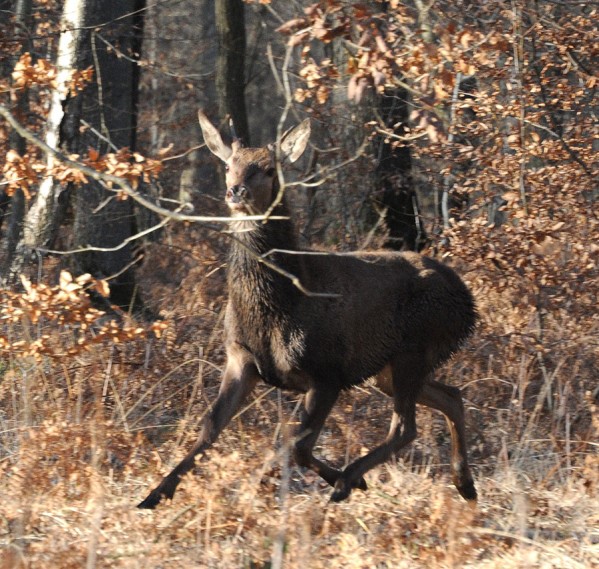
– Doe, Calf, Narrower (Biche, faon, bichette). This is usually the order that wild game moves and thus the battue walks out. However, be careful because this may have been changed by dogs or floats in the battue. You always shoot the calf first and only then, if allowed, the doe. Listen carefully during the round to hear what is open that day!
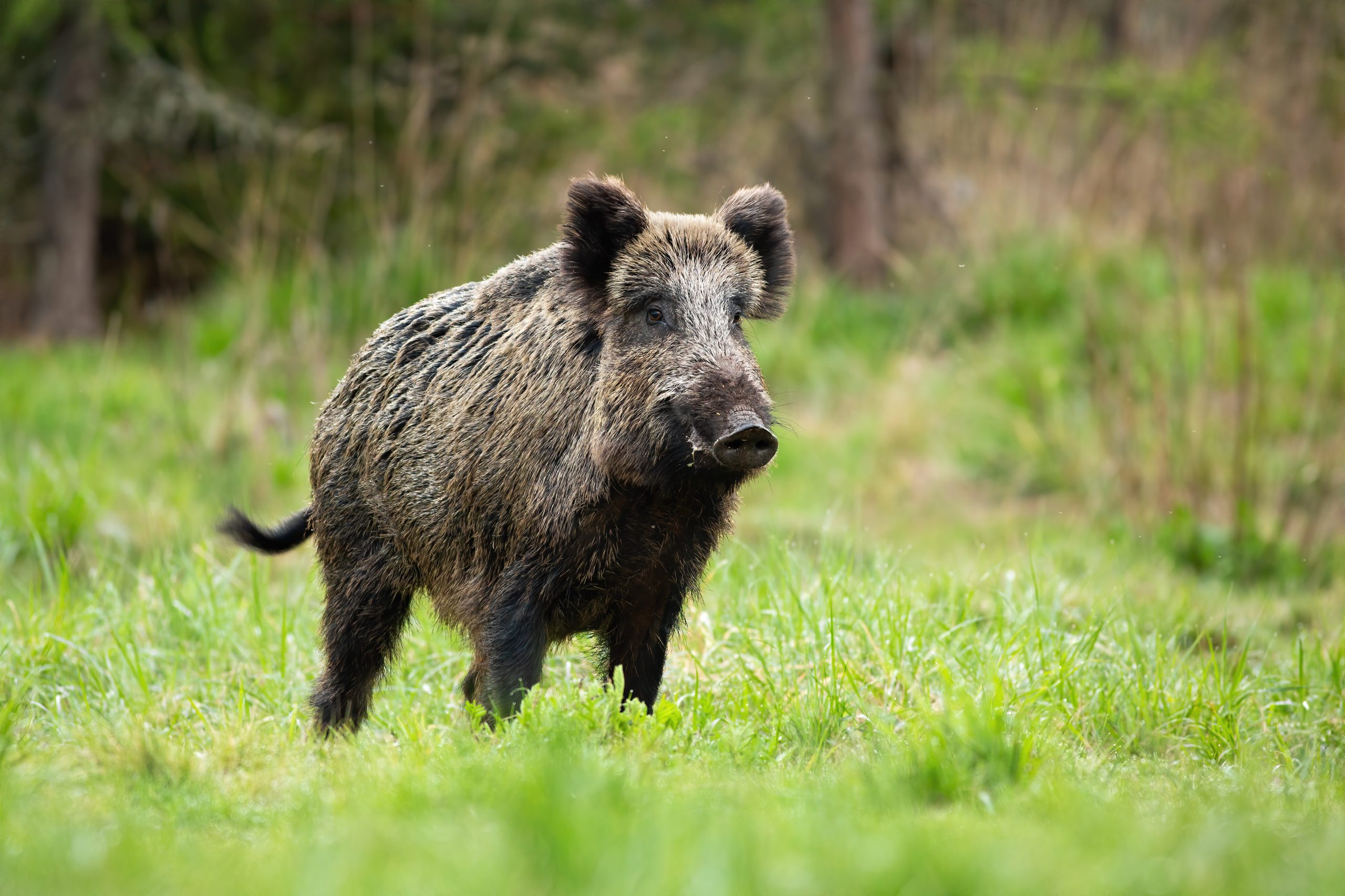
– Keiler vs sow (Verrat vs laie). Try to avoid shooting large sows, especially if there are piglets around. You can shoot frislings who are no longer pajamas, but you judge for yourself whether you consider them big enough. In adult animals, you try to identify the sex (see figure). Look for the teeth, brush, and 2 bumps on a keiler’s back. When in doubt, do not shoot, except if it is said in the round that sows that are alone may be shot. Again, instructions will vary from one hunting day to another.

– Skewers or pointed deer (Daguets) above 30 cm (depending on the conseil (WBE) to conseil) are usually not allowed to be shot because they are considered ‘future deer’. Be careful not to identify skewers with short branches as a doe or narrow. Not always easy to see the sometimes small stumps between branches etc.. What always clearly indicates that it is a male specimen are the thick neck with mane while a doe has a narrow ‘smooth’ neck.
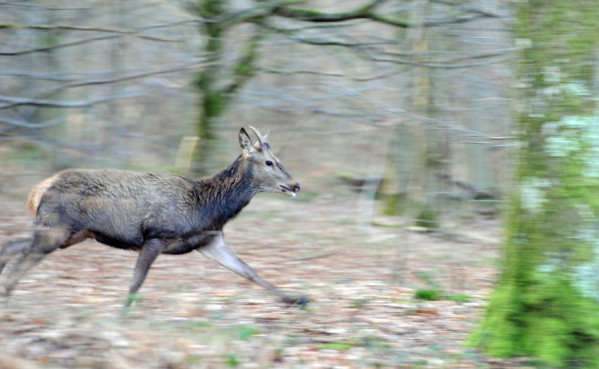
– Roe goat, kits and buck (Chèvre, chevrillard et Brocard). Usually they are all open, but this can change throughout the day (this can be done with any kind of game). Rules may apply, such as a maximum of 1 goat per hunter per day. Listen carefully to the instructions. In December, most roebucks have shed and are not released on some hunts. Even if it is not a disaster, it is a pity to shoot a buck without ‘wood’.
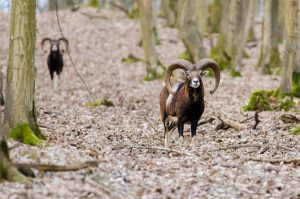
-Mouflon. There used to be a shooting plan for this and the horns of the rams had to be at least 65cm before they could be legally stretched (fine/pv was imposed by DNF if it was too small). In the areas that they were found in the Semois valley: Les Epioux, St. Cécile, Herbeumont, Sugny,… After a certain time there was an ‘overpopulation’, damage, and the legislation regarding the mouflon changed, there are still no restrictions from the government. However, most hunting groups impose a minimum length of the horns on male ‘widders’. Another beautiful name for these male exepars is ‘BELIER’, ram in French.
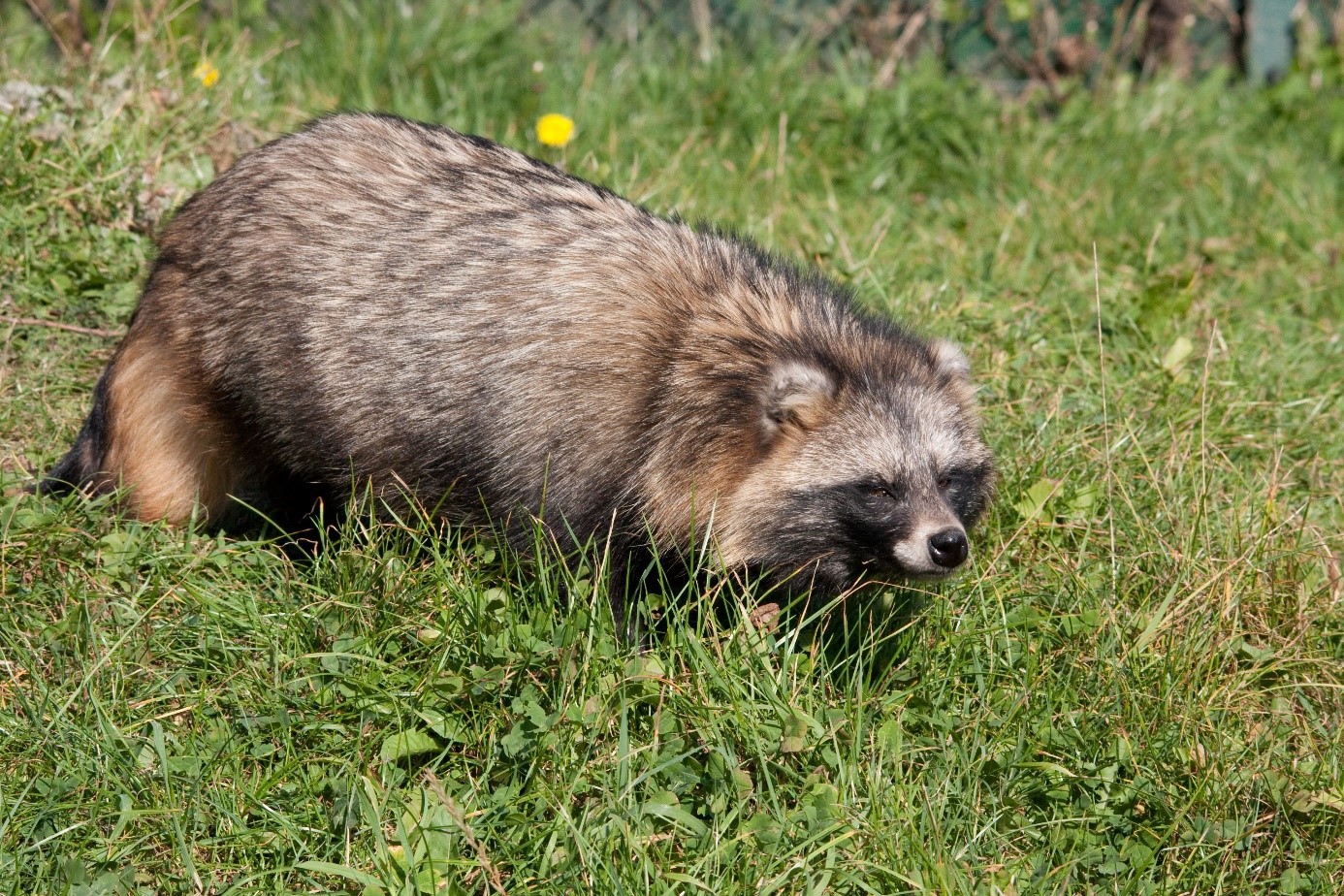
– Fox, fallow deer, raccoon and marten dog or raccoon dog (Renard, daim, raton laveur et chien viverrin). These species are usually free to shoot. Don’t shoot a wild cat, this is a protected species!
– Do not shoot when a dog is walking too close behind or next to the game.
– Do not shoot when 2 animals are walking next to each other, ‘1 shot 2 kills’ are not the intention to prevent hurting.
– Watch out for cars, mountain bikers and hikers all around. Especially if you are on a job. Hikers and mountain bikers sometimes dare to ignore the warning signs that the hunting organization places and can suddenly appear. Please report this to those responsible via the radio.
– On the radio there is an explanation about the beginning and end of the battue, but also about what is in the drift, what happens, which animals can or cannot be shot. It is a great added value to buy a radio. Please note, to use this legally you must apply for a license.
– To announce the end of the battue, 3 long horn signals are usually used. You may only hear it through the walkie-talkie. Never shoot after this signal, exceptionally for a shot at wounded game. Make the 3 signals yourself so that your neighbors are also informed. Most commonly used is “hop hop hop” if you don’t have a horn yourself
– One discharges the weapon.
– Shot game is pulled to the post or to the line so that it can be easily retrieved. You should also examine the shooting site for hair, blood, bone or other indications of shot game so that if necessary the sweathound can be used for a search.
– You pass on what was shot where to the person responsible.
– In the evening there is the tableau to honour the game one last time. Usually this is with a speech by the huntsman and horn blowers.
The most important thing about a day battue is the safety, conviviality and being together with friends in nature. Have a great battue season!