


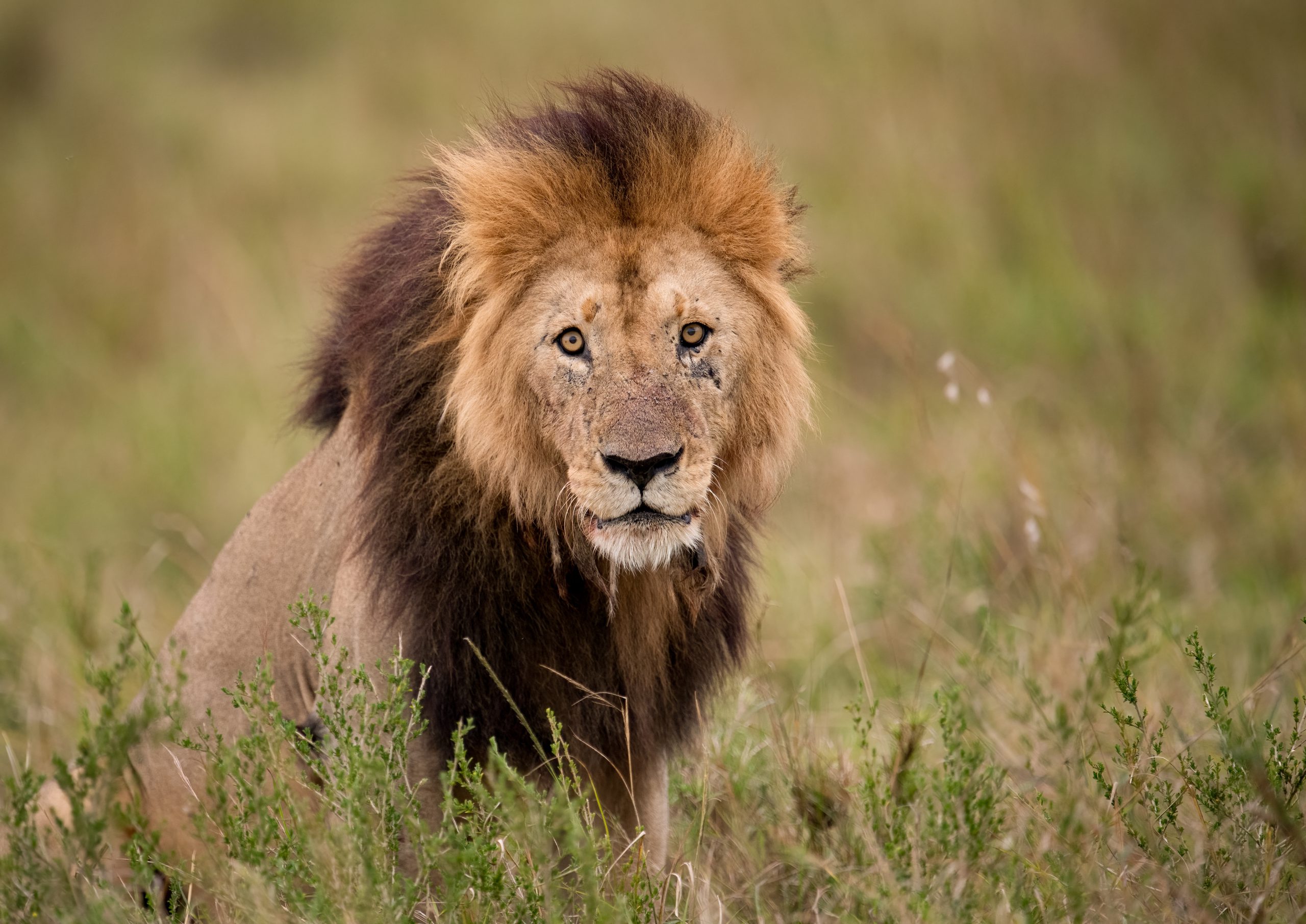
The federal parliament approved a resolution to restrict the import of hunting trophies. A very bad idea, warns the Belgian hunting sector. ‘This is at the expense of biodiversity in Africa.’
On Thursday 24 March, the House of Representatives approved the draft resolution aimed at banning the import of hunting trophies of certain animal species. This proposal prohibits the importation of hunting trophies of certain African animals, including white rhinoceros, hippopotamus, elephant, Argali sheep, lion, polar bear, as well as a whole range of smaller antelopes.
This decision has undoubtedly disastrous consequences for African fauna and flora. Sustainable hunting has caused the population of these species to increase in recent decades. In Namibia, the number of rhinos went from 450 in the 1980s to 2188 in 2017. Most of the increase took place on hunting grounds. An analogue story in the Bubye Valley in Zimbabwe. There, the number of lions grew from 13 to more than 500 between 1999 and 2012. There are countless examples that show that hunting is beneficial for these species and their habitats. The International Union for Conservation of Nature (IUCN) also supports this statement. As well as the WWF.
So why does an import ban have such a negative effect? When a hunter is not allowed to import his trophy, he will no longer hunt those animals, which means that the income from hunting will largely disappear. The landowners of these domains are then forced to look for alternative sources of income, often switching from nature and hunting exploitation to agricultural exploitation (especially livestock farming). This has disastrous ecological consequences: overgrazing, desertification and loss of habitats for wild animals. The hunting ban in Botswana in 2014 has demonstrated this conclusively.
The efforts against poaching are also largely financed from hunting and will therefore disappear. This poses a direct threat to the conservation of these species. Moreover, the disappearance of trophy hunting disrupts an important socio-economic pillar for the local communities. A quarter of the proceeds flow directly back to the population.
Even the competent Belgian authority, the FPS Public Health – CITES service, which regulates the import of hunting trophies, considers a ban unnecessary and counterproductive: “The introduction of a ban on the import of certain CITES hunting trophies into Belgium would be mainly symbolic and would not have a positive effect on the protection of wild species, which is actually the motivation of all of us.”