

What effects does predator control have on the survival rates of farmland birds? The hunting sector wants to see that question answered, but the Flemish government is putting its foot on the side.
At the end of last week, Zuhal Demir announced a new species protection program for farmland birds. Because the populations of partridge, yellowhammer and skylark are under pressure, the competent minister wants to counteract the decline with a series of measures.
Although Demir was broad with the news, the support package is the end result of months of negotiations by various government departments with civil society organizations such as Boerenbond, Natuurpunt, Landelijk Vlaanderen and also Hubertus Vereniging Vlaanderen, the interest group of hunting. Intention? Arrive at a widely supported policy.
Hubertus Vereniging Vlaanderen initially agreed with the content of the text and with the measures listed. On the one hand, because the hunting sector has been arguing for some time for structural interventions to tackle a structural problem (namely: lack of suitable habitat). On the other hand, because one of the proposals highlights a problem that is close to the heart of wildlife managers: predation.
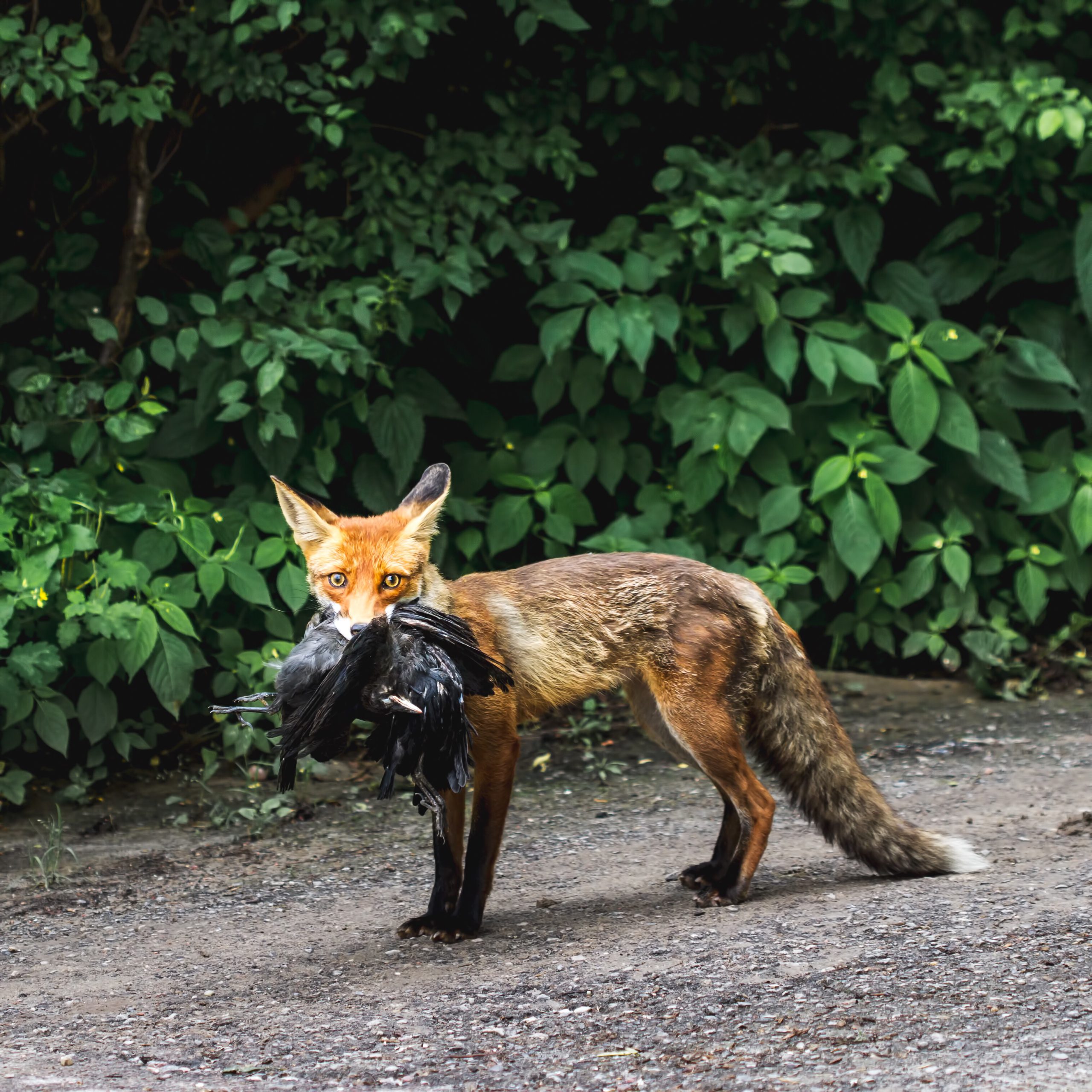
It had been agreed between the various actors to order a scientific study on the possible effects of (intensified) predator control on the survival rates of farmland birds. Foreign literature invariably points to the impact of predators such as fox, marten, crow and rat on breeding successes, but there is almost no objective data on the Flemish situation.
ANB (the Agency for Nature and Forest) and INBO (the independent scientists of the government) initially cooperated in the design of the plan. The point was therefore officially included in the file under the title: ‘Action 5.3. Pilot project predator pressure and predator control’.
Taboo for minister
It was therefore a great surprise that between the final version, also approved by the hunting sector, and the official publication of the species protection programme (in a Ministerial Decree), exactly that action point had disappeared.
In other words, after all the actors involved had reached an agreement on the content of the species protection programme, the minister decided to scrap the one action linked to the management of the hunting sector.
This was also confirmed in so many words by the Administrator-General of the supporting administration. He said during a recent meeting: ‘The cabinet has asked for predators to be left out of the species protection program, to look at it separately in the context of the hunting policy’. To add later: ‘If Hubertus Vereniging Vlaanderen wants to discuss this further, it should turn to the minister.’
Hubertus Vereniging Vlaanderen, which discovered the difference between the versions and immediately raised it, speaks of ‘abuse of power and a disrespectful treatment of civil society by the government’.
HVV: ‘This intervention proves that the minister is preventing objective research in order to better identify the taboo surrounding predation and the impact on Flemish farmland birds. However, the hunting sector has shown itself to be a constructive partner for years during the consultations of various species protection programmes. Fiddling with texts behind your back, so that no one would notice anything, damages trust and helps no one, least of all the endangered field bird.’