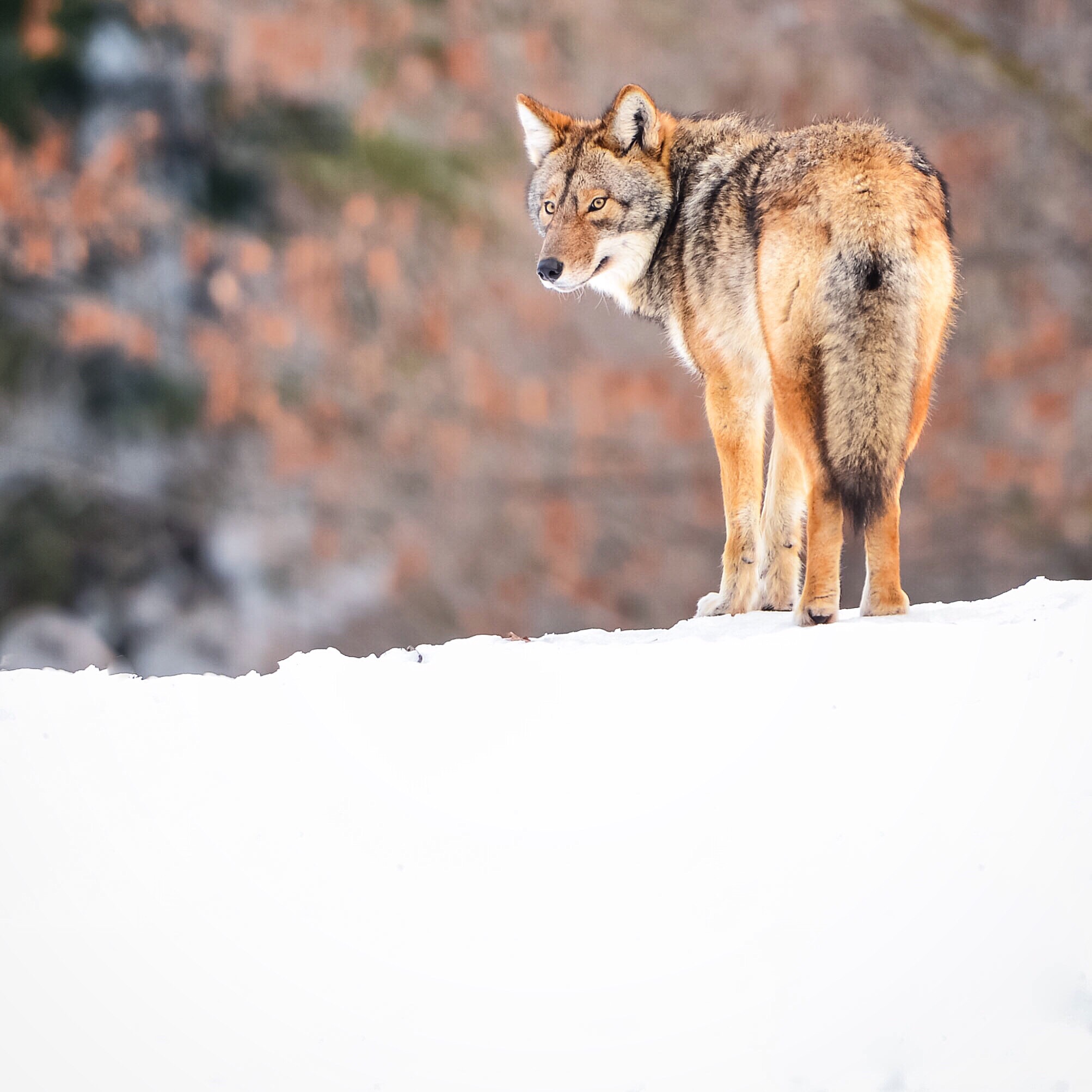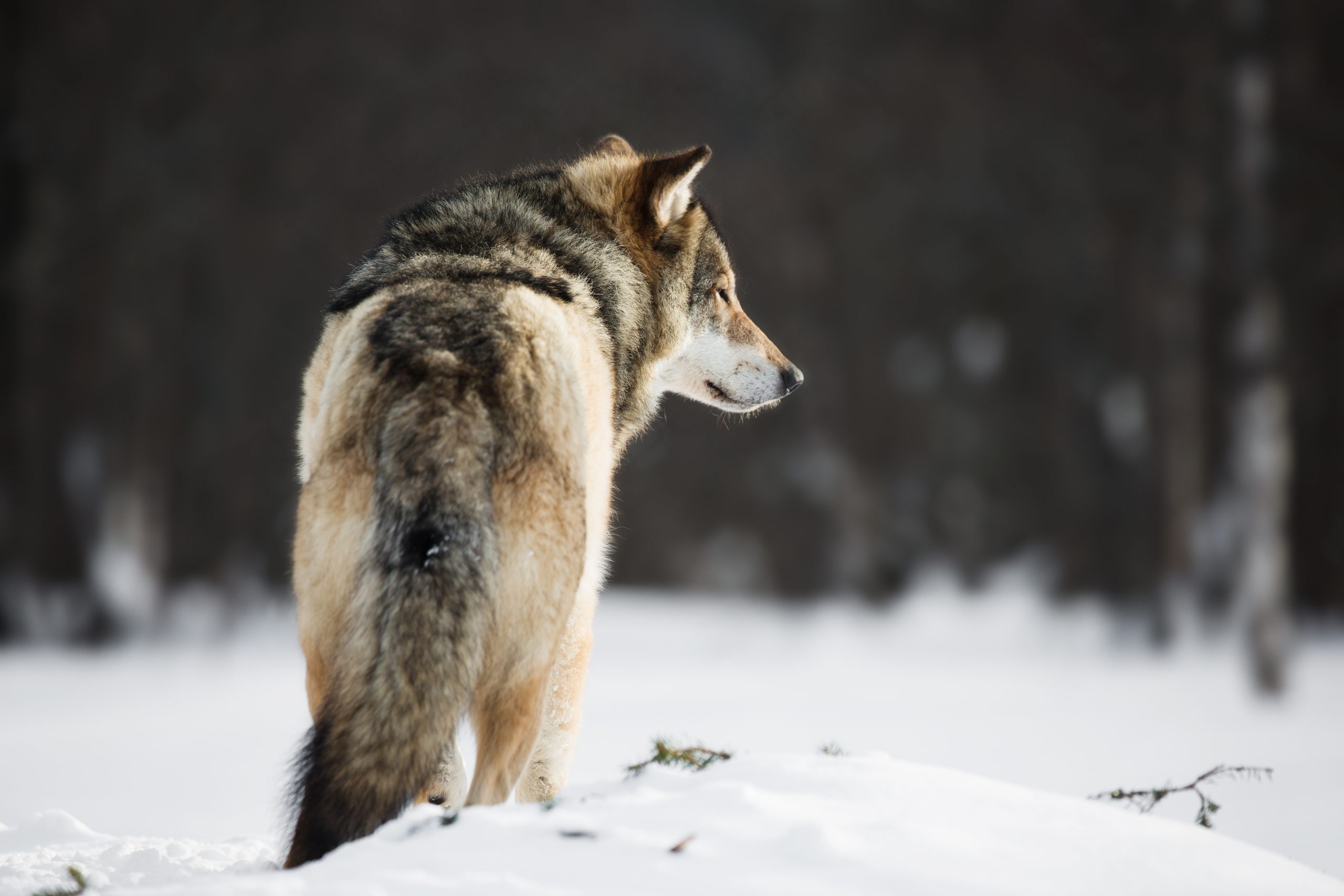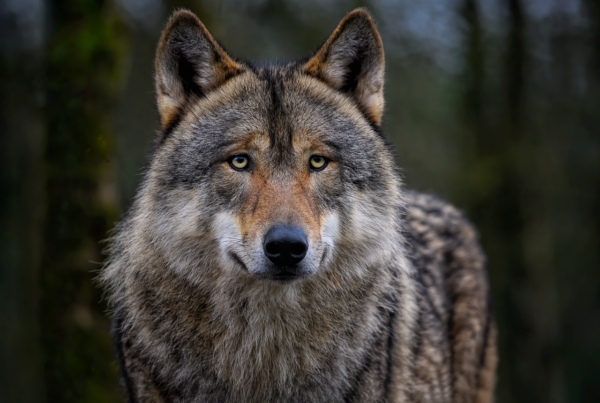


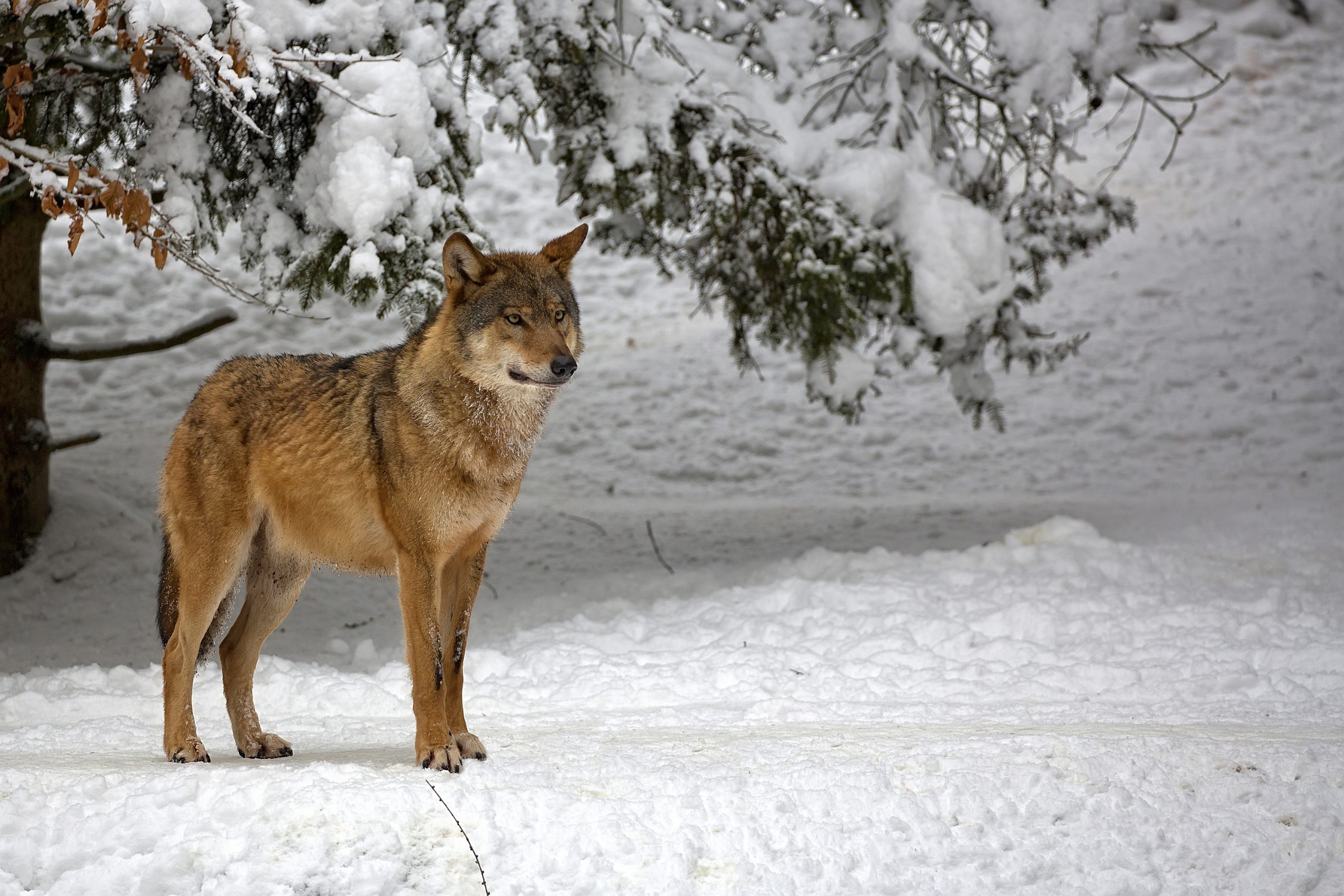
Despite bitter resistance from conservationists, the Finnish model of wolf management is entering a new round. It also expressly provides for the regulation for only 25 wolf packs.
Finland is preparing a new regulation for the wolf population. The Ministry of Agriculture in Helsinki has set up a working group to determine the current population and determine a favorable conservation status for the predator.
If this has completed the analysis as planned in the coming year and confirmed a favorable conservation status for the species, the legal requirements for the regulation of the wolf population have been met, according to the assessment of Agriculture Minister Jari Leppä. In the winter of 2021/22, in accordance with the legal requirements, the “hunt for the wolves” could then begin.
The Finnish model of wolf management explicitly provides for regulation. In the past, however, such attempts have often met with bitter resistance from animal rights activists or have been prohibited by law. According to experts, a “healthy” wolf population in Finland should contain about 25 packs.
By comparison, in Germany, which is only about 20,000 km2 larger than Finland but much more densely populated, the current population is listed by the Federal Agency for Nature Conservation (BfN) as 128 wolf packs, 35 pairs and ten solitary animals. The German Hunting Association (DJV) estimates the total population at around 1,800 animals and assumes that the population will grow by 30% each year.
In Sweden, the wolf population is already regulated. According to surveys by the responsible authorities, a total of 365 wolves live there. 300 individual animals and 30 packs are considered a favourable state of preservation, so that licences for the hunting of the ‘surplus’ animals are now being issued again.
Meanwhile, the Finnish Farmers’ Association (MTK) is urging haste. In the opinion of the chairman of the MTK network of Finnish sheep farmers, Tapio Rintala, the conditions of the “stock hunt” should be clarified now and not after the analysis of the working group has been completed. He also recommends shooting individual animals instead of killing entire packs. This would be easier to convey socially and would increase the shyness of the pack members, Rintala explained.